About the Dolls
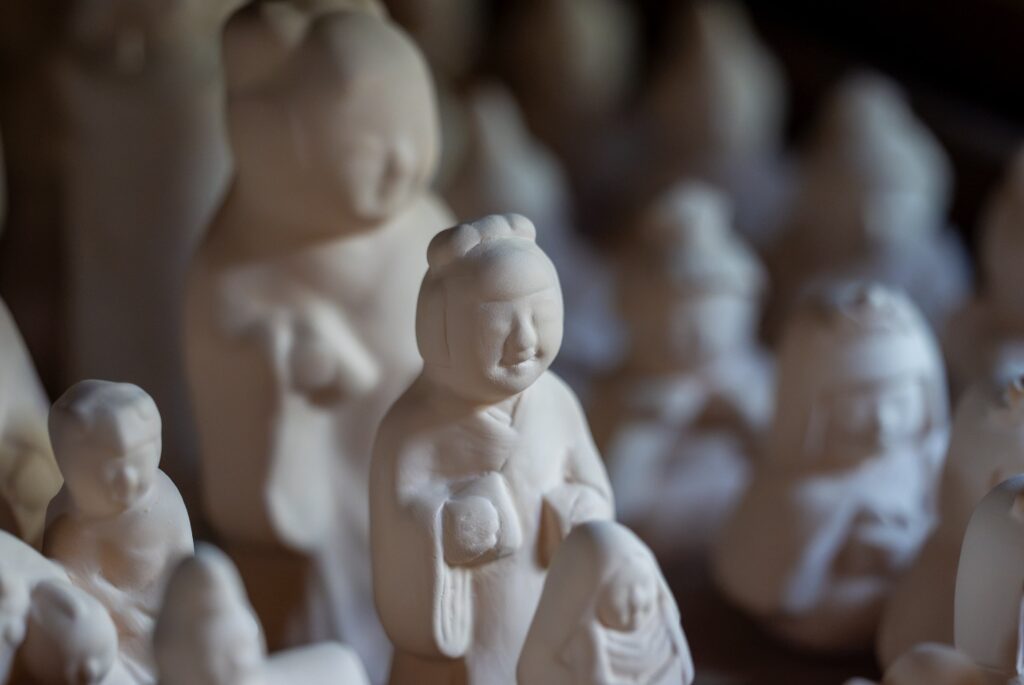
Sadowara dolls encompass a wide variety of forms, including simple warabe dolls depicting children, seasonal festival dolls, Kabuki-themed dolls, Good-Luck Dolls, and Zodiac Animals Dolls. Each reflects the wishes, beliefs, and spirit of the era in which it was created, and these dolls have been cherished by generations of people.
The dolls are made using either clay molds or plaster molds and are produced through two traditional techniques: hand-pressing and slip-casting. Differences in molds and production methods give each doll its own unique character, expression, and texture.
Simple in appearance yet rich in history and craftsmanship, Sadowara dolls offer a fascinating glimpse into Japan’s folk art traditions. We invite you to explore their unique charm.
Purchasing Sadowara Dolls
Sadowara dolls are available at the following locations:
・Masuya Sadowara Doll Shop
・Shiro no Eki Sadowara Iroha-kan (selected items only)
・Online Shop (coming soon)
All Sadowara dolls are handmade. Because each piece is crafted individually, production is limited and large quantities cannot be kept in stock at all times. Availability varies throughout the year, and some items may be temporarily unavailable.
Among the dolls currently offered for sale are works created during the eras of the fifth and sixth generations of the Masuya family. These pieces were made using the techniques and artistic sensibilities of their time and have been carefully preserved over many years.
As they can no longer be reproduced under the same conditions today, we present them as rare, one-of-a-kind works that represent a unique moment in the history of Sadowara doll making. For information regarding specific pieces and current availability, please contact the shop directly.
Our Dolls
Child Warabe Dolls
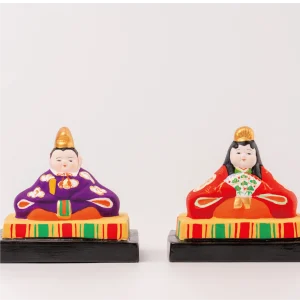
Seasonal Festival Dolls
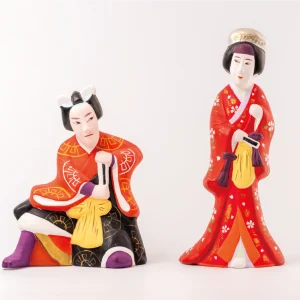
Kabuki-Themed Dolls
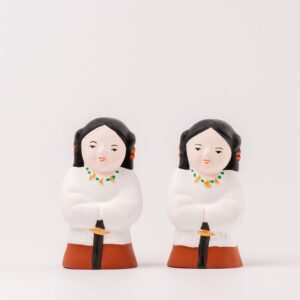
Good-Luck Dolls
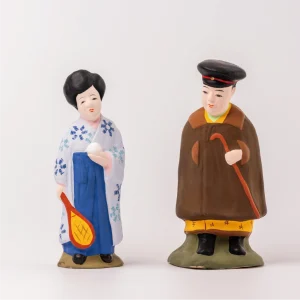
Folk-Custom Dolls
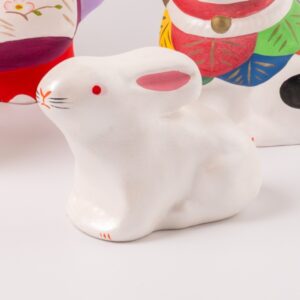
Zodiac Animals Dolls
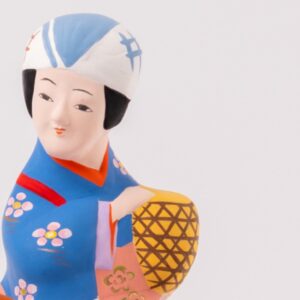
Other Dolls
About the Doll Molds
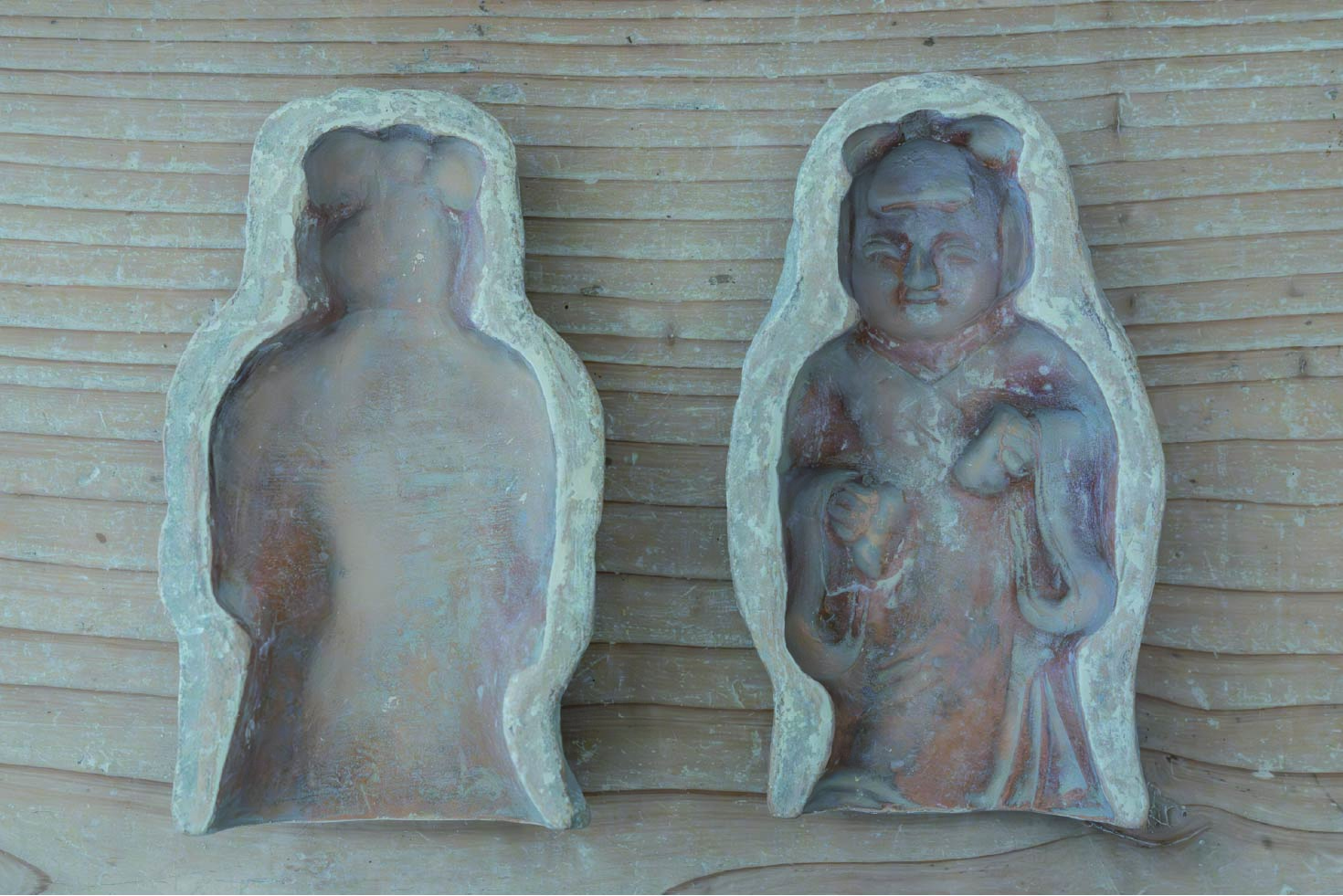
There are two types of molds used to create Sadowara dolls: clay molds and plaster molds.
Clay Molds
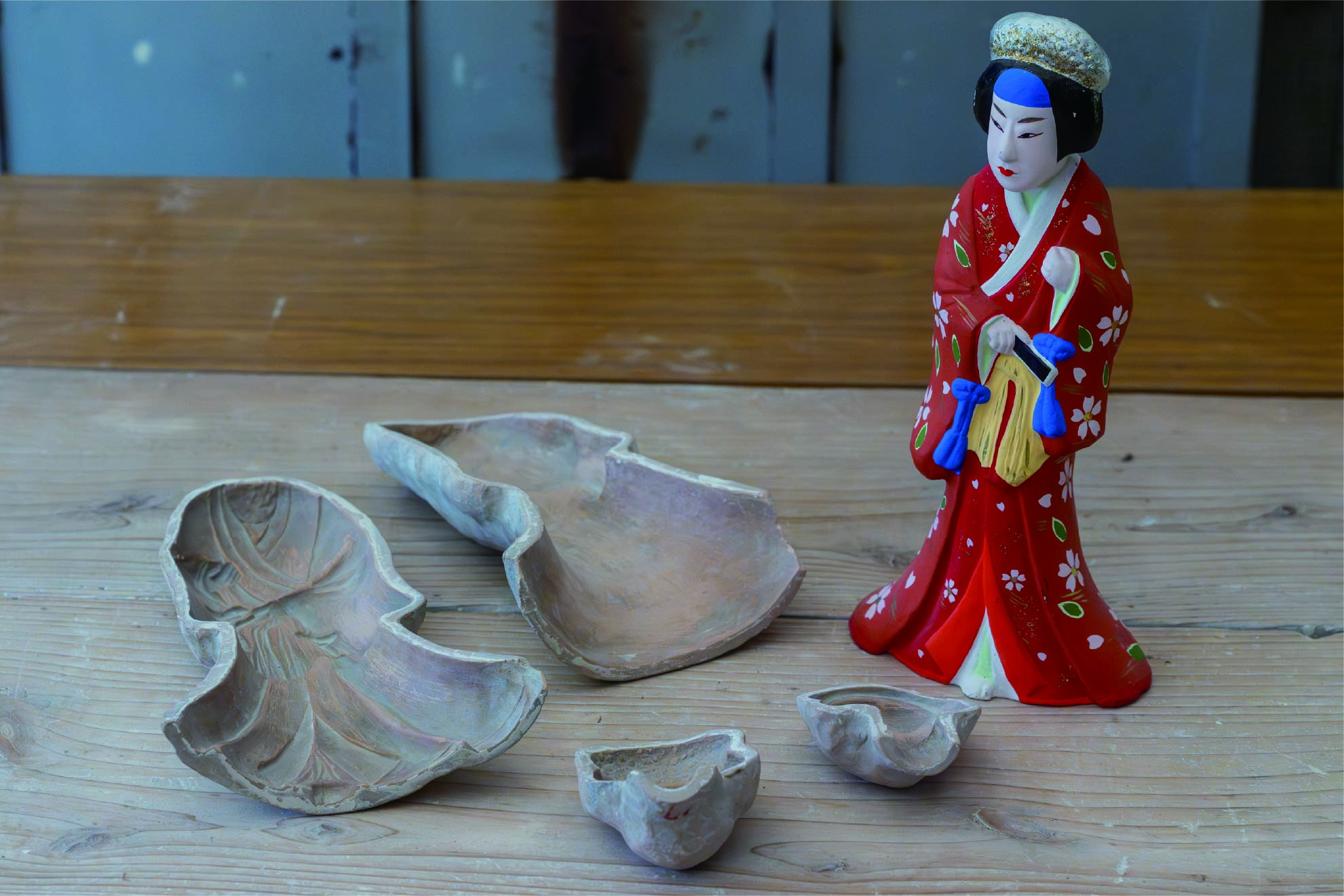
Masuya currently preserves nearly 200 clay molds, including some that have been passed down since the workshop was first established. These molds are used in the traditional hand-pressing method.
Because clay molds gradually lose their ability to absorb moisture when used continuously, they must be thoroughly dried after each use. As a result, large quantities cannot be produced at once. However, with proper care, clay molds experience very little wear and can be used for generations.
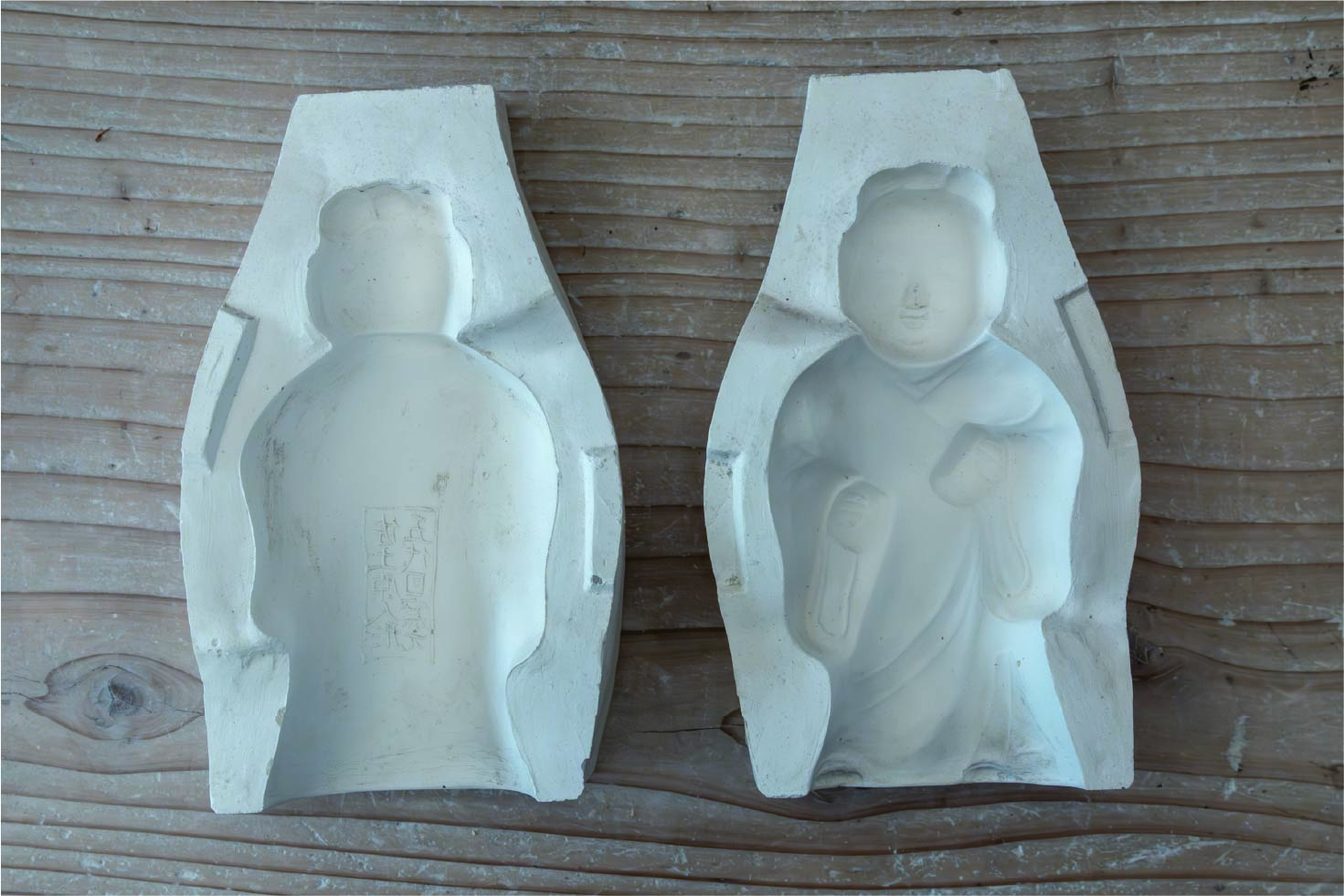
Plaster Molds
During the Showa era (1926–1989), plaster molds became increasingly common. They were primarily used for slip-casting, although some of the dolls produced at Masuya today are still hand-pressed using plaster molds.
Plaster absorbs moisture quickly, making it suitable for large-scale production. However, unlike clay molds, it wears down relatively easily over time.
How Sadowara Dolls Are Made
There are two traditional methods used to create Sadowara dolls: hand-pressing and slip-casting.
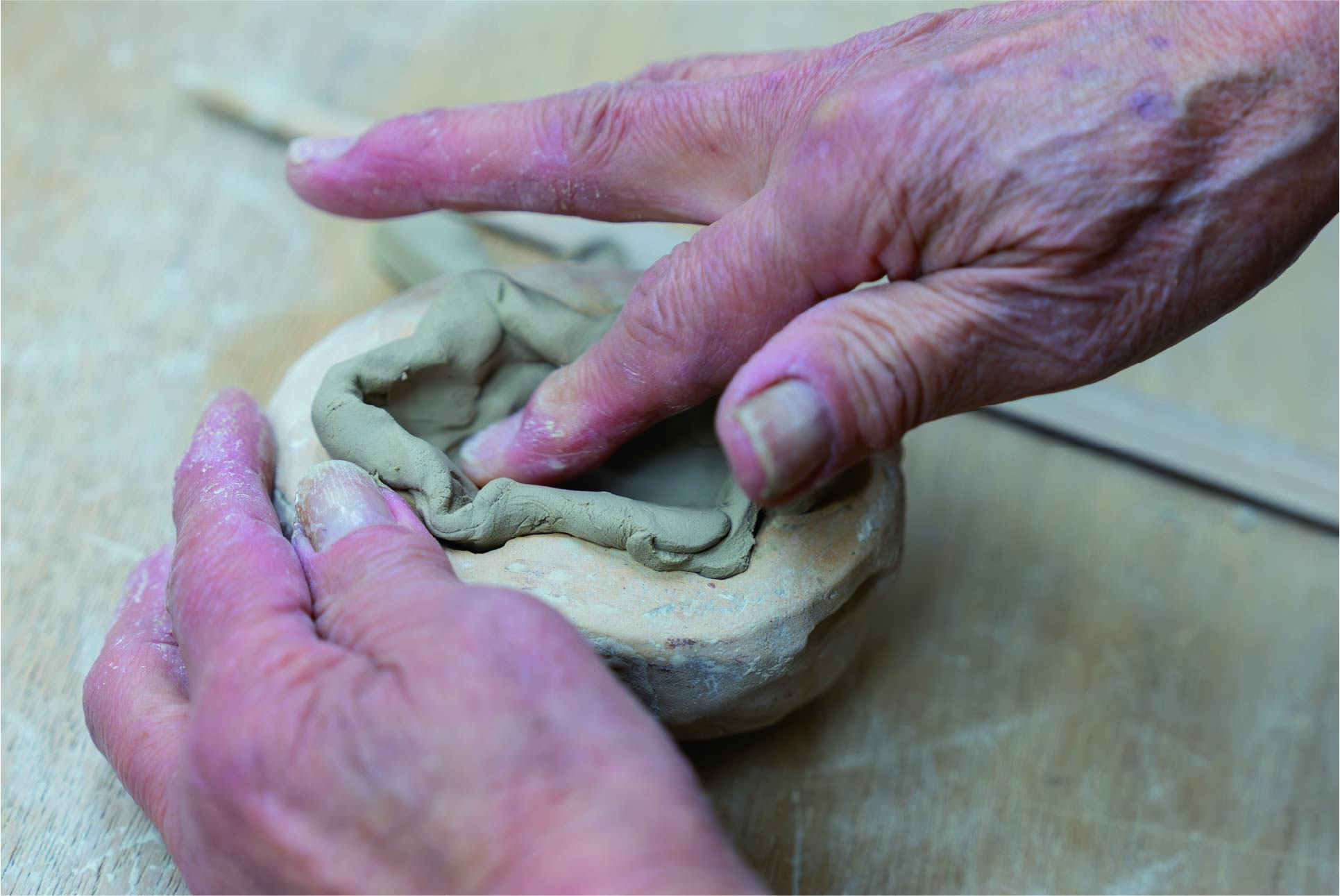
Hand-Pressing
Hand-pressing is the traditional method of Sadowara doll making. Thin sheets of clay are carefully pressed into molds by hand to form the shape of the doll.
The process typically uses a two-part mold consisting of front and back sections. After the clay is pressed into the mold, it is left to rest for a short time. As the clay begins to dry, it shrinks slightly and separates from the mold, making it easier to remove. The front and back pieces are then joined together, and any excess clay along the seam, known as burrs or flash, is carefully trimmed and smoothed by hand.
This technique has been used in Sadowara doll making for generations and remains one of its most important traditional methods.
Slip-Casting
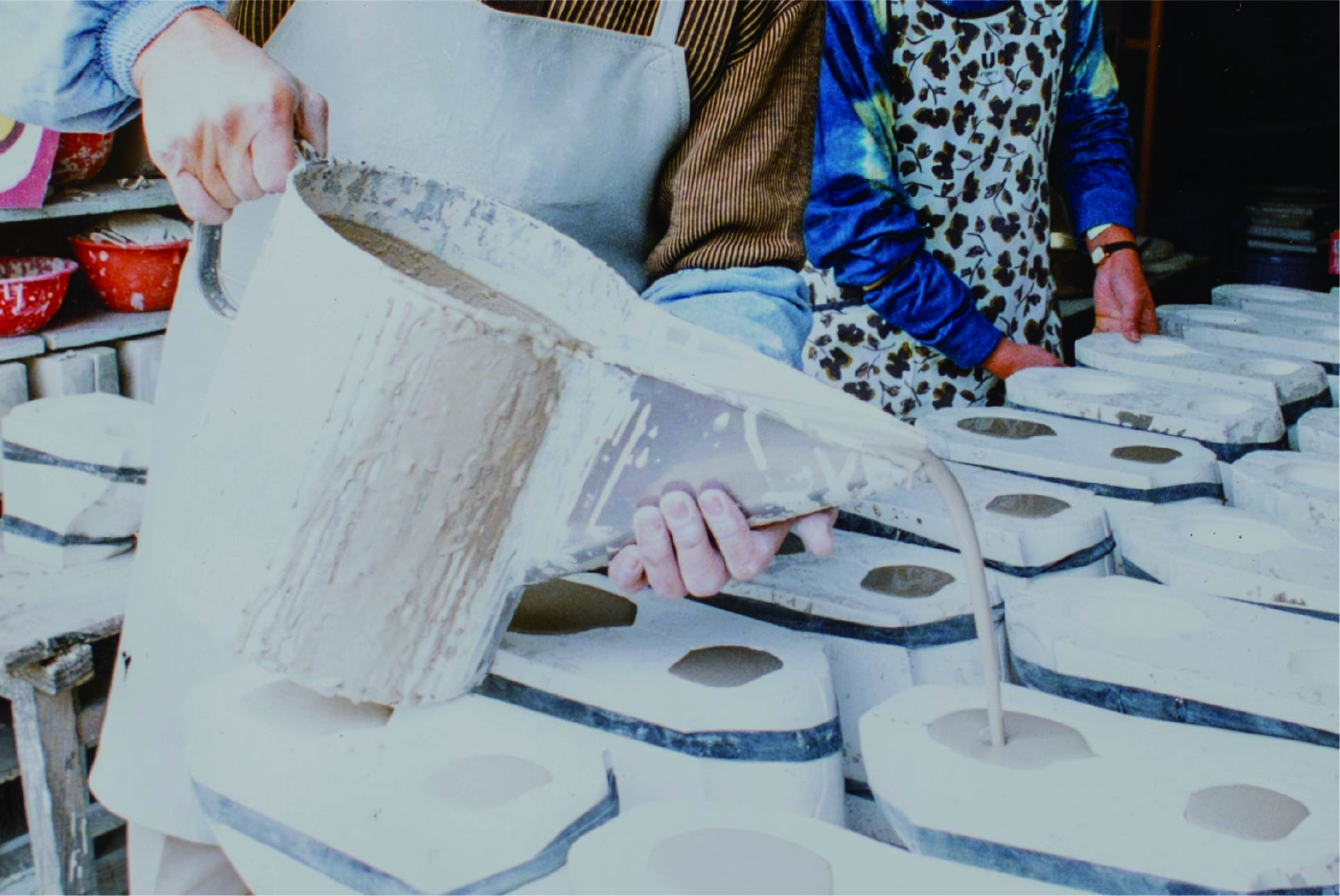
In the slip-casting method, clay is mixed with water and sodium silicate to create a liquid clay mixture known as slip.
A two-part plaster mold is tightly secured with rubber bands or other fasteners to prevent leakage, and the liquid clay is poured inside. After a period of time, the moisture is absorbed by the plaster, causing the clay to solidify along the inner surface of the mold. The remaining liquid clay is then poured out, leaving a hollow form with an even wall thickness.
Because multiple dolls can be produced relatively quickly using the same mold, slip-casting became widely adopted from the mid-Showa period (around the 1950s–1970s) onward.
Most Sadowara doll molds consist of two matching halves—front and back—which are joined together after forming.
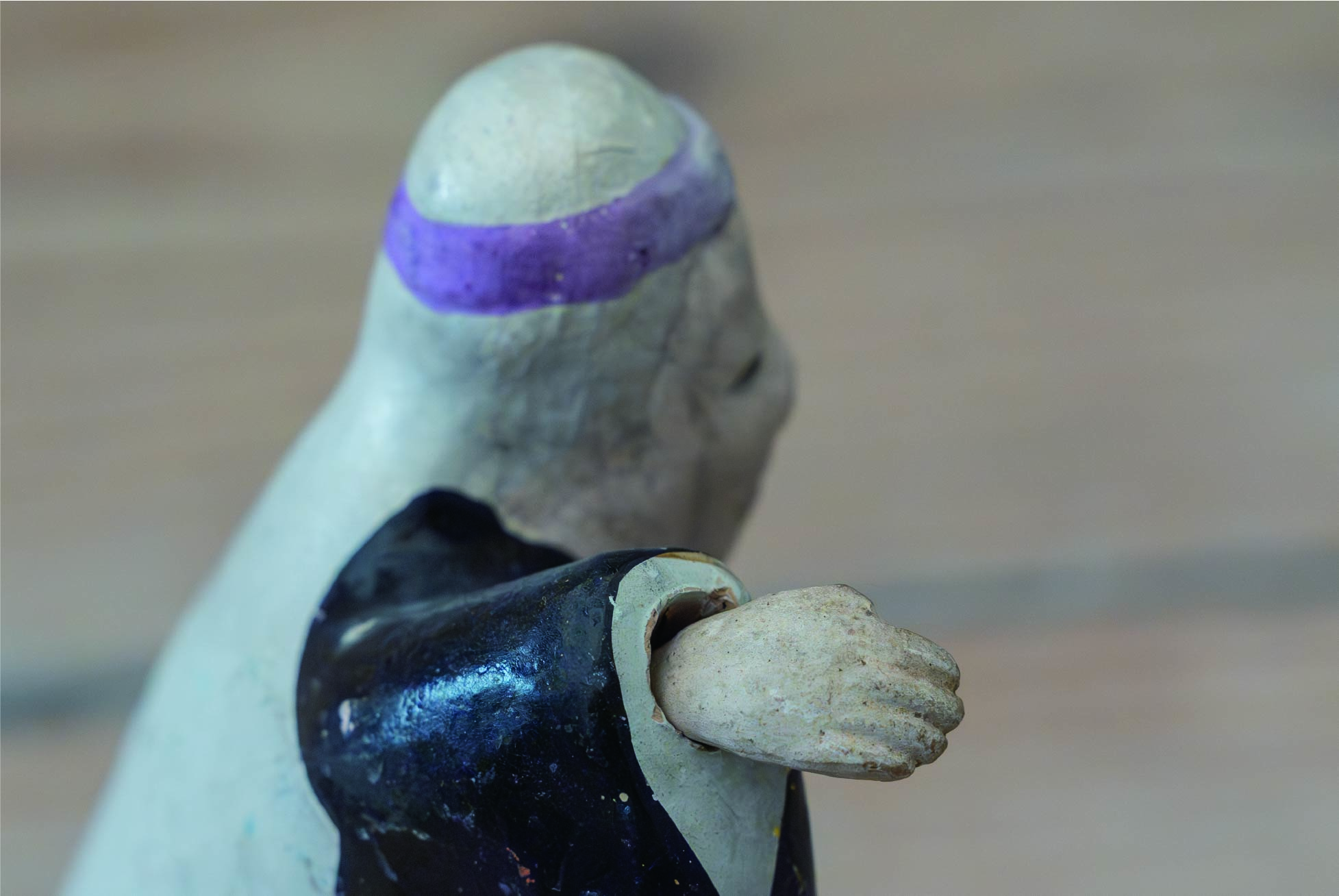
Depending on the type of doll, however, some molds are made from only a single side. Certain figures also feature separately attached hands or heads, requiring dedicated molds for these individual parts.
These techniques, known as sashi-te (inserted hands) and sashi-kubi (inserted heads), have long been used in traditional Japanese doll making, including Kabuki dolls and historical Hina dolls. They are one of the distinctive sculptural characteristics that contribute to the unique appearance of Sadowara dolls.